
Producer Information
Connect with local producers who are dedicated to conservation and sustainable farming. Share experiences, learn new practices, and collaborate to improve land and water health across Nebraska.
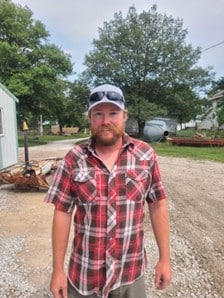
Alex Daake
- Seward County
Information about the producer will be provided when it’s available.
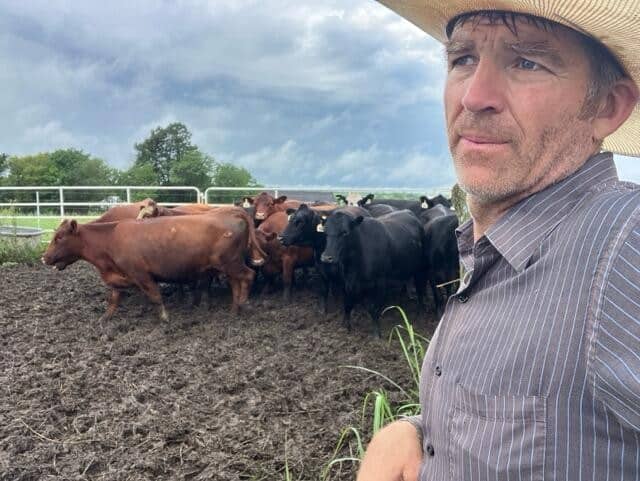
Alex McKiernan
- Lancaster & Pawnee County
Alex’s passion for conservation is driven by his belief that good food can sustain healthy people and a healthy environment. Owner of Robinette Farms, Alex’s experience spans vegetable to meat production, using a broad range of techniques to build an operation that minimizes off-farm inputs, reduces detrimental environmental impacts, and provides opportunities for community education.
Having come from a non-farming background, Alex understands the significance of peer education among farmers. As such, he now uses his expertise to teach producers of all experience levels about topics such as grazing management and infrastructure, multi-species grazing, and transitioning crop ground to perennial pasture, as well as business skills including direct marketing strategies.
Click the links below to learn more about Alex:
Conservation practices are ‘not nuts’: Mentorship network wraps inaugural year
Robinette Farms certifies good business through sustainable agriculture
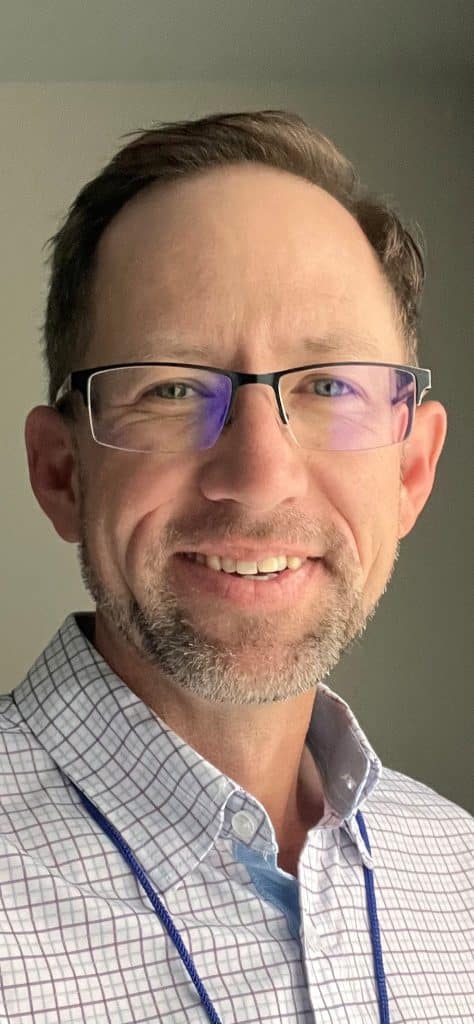
Brian Brhel
- Lancaster County
Brian Brhel comes from a diverse family farm near Denton, where “out of the box” thinking was and still is the norm. The farm consists of 400 acres of non-irrigated cropland and 300 acres of grass. He has built his farming operation over the past 22 years with a focus on soil building using livestock and cover crops. He is also interested in cover crop seed production of rye, oats, forage peas, buckwheat, and hairy vetch, through which he is able to supply seed for his own operation and area farmers. He focuses on the roots of living plants and cattle as a driver of soil health, which contributes to the economic health of his farm while protecting soil as a resource.
Click the links below to learn more about Brian:
Balancing Soil Health and Cash Flow: Lessons from Regenerative Farmer Brian Brhel
Circle of friends for soil health
Chris Trumler
- Sherman County
Chris is a first-generation farmer and rancher, who graduated with an animal science degree from UNL in 1994. Through hard work, perseverance, and holding an off-farm job, Chris has been able to expand his operation to include cow-calf and yearling herds in addition to no-till alfalfa, corn, and soybeans on irrigated and dryland acres, implementing practices such as cover crops and rotational grazing.
Previously a conservation technician for the wildlife division of the Nebraska Game and Parks Commission, Chris has a passion for agricultural practices that increase opportunity and habitat for wildlife. In addition to planting native range through the Conservation Reserve Program, he implements structures that support wildlife, such as shelter belts and corridors, and practices that support clean water bodies.
Click the links below to learn more about Chris:
Passion for wildlife leads Chris Trumler to farm with conservation in mind
Leopold Conservation Award winner: Nebraska 2023
Clay Govier
- Custor County
Information about the producer will be provided when it’s available.
Dan Stelling
- Pierce County
Information about the producer will be provided when it’s available.
Daryl Obermeyer
- Nemaha County
Daryl has been experimenting with conservation practices for more than 50 years, proving that it’s possible to reduce input costs and improve efficiencies on his dryland corn, soybean, and cattle operation. Through rotational grazing, no-till, and cover crops, among other practices such as planting pollinator habitat, he has become a better land steward and manager, improving soil health, erosion control, and the water-holding capacity of his farm over the years. Daryl also has experience with federal conservation programs, including the Conservation Stewardship Program.
Click the links below to learn more about Daryl:
Early adopter Daryl Obermeyer brings decades of experience to conservation network
Nebraska farmer sees 40-bushel yields from post-wheat “stubble beans”
Farmer Focus: Improving the Bottom Line through Cover Crops with On-Farm Research
Daryl Obermeyer Receives Outstanding Soil Conservationist Award
Dennis Demmel
- Keith County
Information about the producer will be provided when it’s available.
Greg Keller
- Platte County
Information about the producer will be provided when it’s available.
Homer Buell
- Rock County
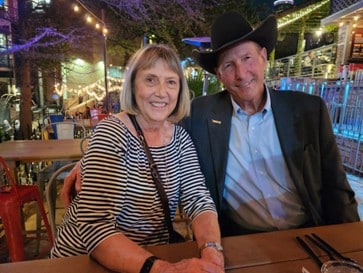
Homer is the fourth-generation co-owner of Shovel Dot Ranch, a 15,000-acre operation of hay meadows and pastureland. With a strong family history of ranching dating back to 1883, the Buell family is dedicated to making their ranch, land, and cattle the best that it can be through conservation and information systems focused on proper management.
Homer has been an advocate for agriculture and the cattle industry through multiple trade organization leadership roles. He is a former president of the Nebraska Cattlemen’s Association and the Nebraska Hereford Association, and has held many positions with the National Cattlemen Beef Association in his 14 years of board service.
Click the links below to learn more about Homer:
One Ranch Family’s Strategy to Save Their Sandhills Legacy
Leopold Conservation Award winner: Nebraska 2012
Shovel Dot Ranch: Conservation Profile
Jeff Steffen
- Knox County
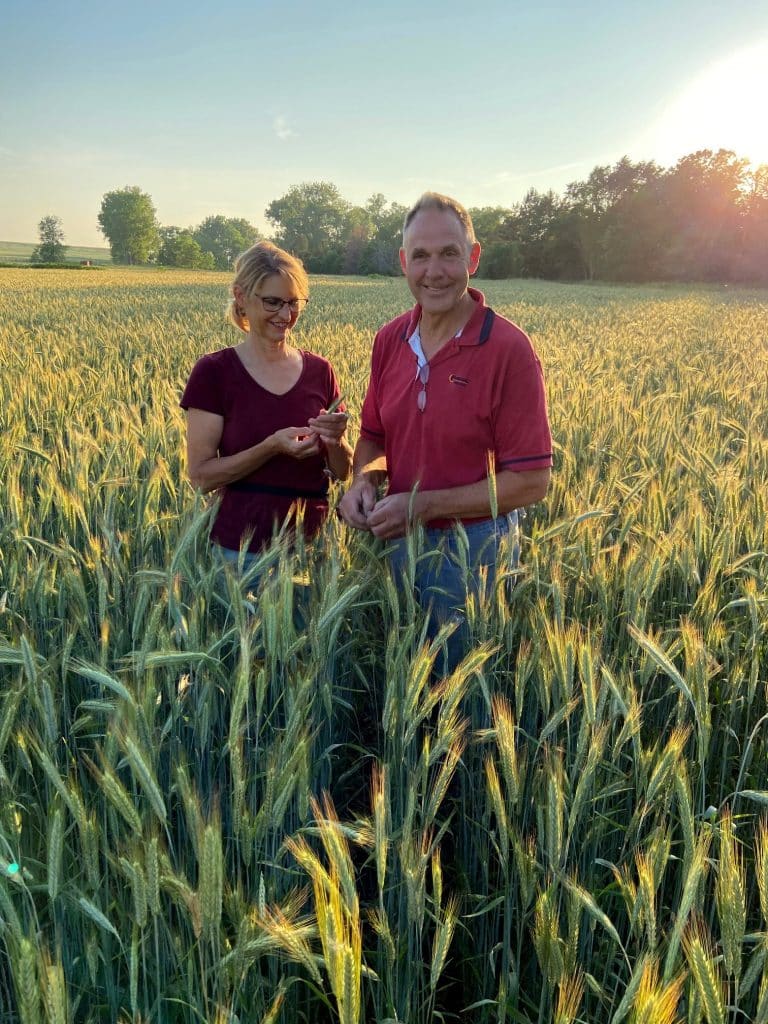
Jeff and Jolene Steffen farm 600 acres in northeast Nebraska, approximately 10 miles south of the South Dakota border. Of these acres, 500 are used to produce corn, oats, soybeans, buckwheat, cereal rye, and peas for cash crops, as well as non-GMO soybeans and oats for certified seed. The couple has implemented continuous no-till for more than 30 years, concentrating on soil health for the past 10 years through the use of cover crops across the entire farm. In addition to crop production, the Steffens graze cow-calf pairs on full-season annual cover crops and winter graze cover crops and crop residue. Over time, Jeff has kept meticulous records to document the profitability of their farming system.
Jeff serves on the Nebraska Natural Resource Commission and the board of his local NRD. He and Jolene love nature and wildlife, as West Bow Creek runs through the middle of their farm.
Click the links below to learn more about Jeff:
Oats boost subsequent crops, cut costs for northeast Nebraska farmer
Accelerating Soil Health and Farm Profitability using Biological Amendments with Jeff Steffen
Add Profit With Extended Rotation
Jordan Uldrich
- Filmore County
Jordan is a fifth-generation farmer working to build soil health through a holistic, systematic approach on his corn and soybean operation. Through a combination of conservation practices, he is experimenting with systems that use cover crops as a tool to reduce weed suppression and reduce inputs. Additionally, his focus on AMP (adaptive multi-paddock) grazing allows him to more closely align his livestock management with natural processes.
Jordan’s passion for peer-to-peer education is evident in his willingness to show up and share his experience with other farmers. He serves on the board of the Nebraska Soil Health Coalition.
Click the links below to learn more about Jordan:
Webinar: Cover crops, Can they work on your farm?
Conservation practices are ‘not nuts’: Mentorship network wraps inaugural year
More with less: South central Nebraska farmer uses soil health practices to reduce costs
Cattle turned out on green covers at Uldrich Farms